A mobile story lab · grassroots India
Cinéma
on the Roads
Your story, yours to tell.
The concept & origin
Always represented. Rarely the ones representing.
Refugee children, rural children, urban-poor children — they are constantly the subject of someone else's frame. They consume media every day. They almost never get to make it.
Cinéma on the Roads puts the camera in their hands. Holding it flips the gaze: the subject becomes the author. A camera, it turns out, is a small act of power.
The film
The film we made about the films they made.
A mobile story lab.
We bring cinema to communities that are usually only ever filmed — and then hand over the camera. One repeatable intervention, five interlocking parts.
Mobile film screenings as the entry point — public, communal, free.
Conversations after the screening: who tells stories, how, and why.
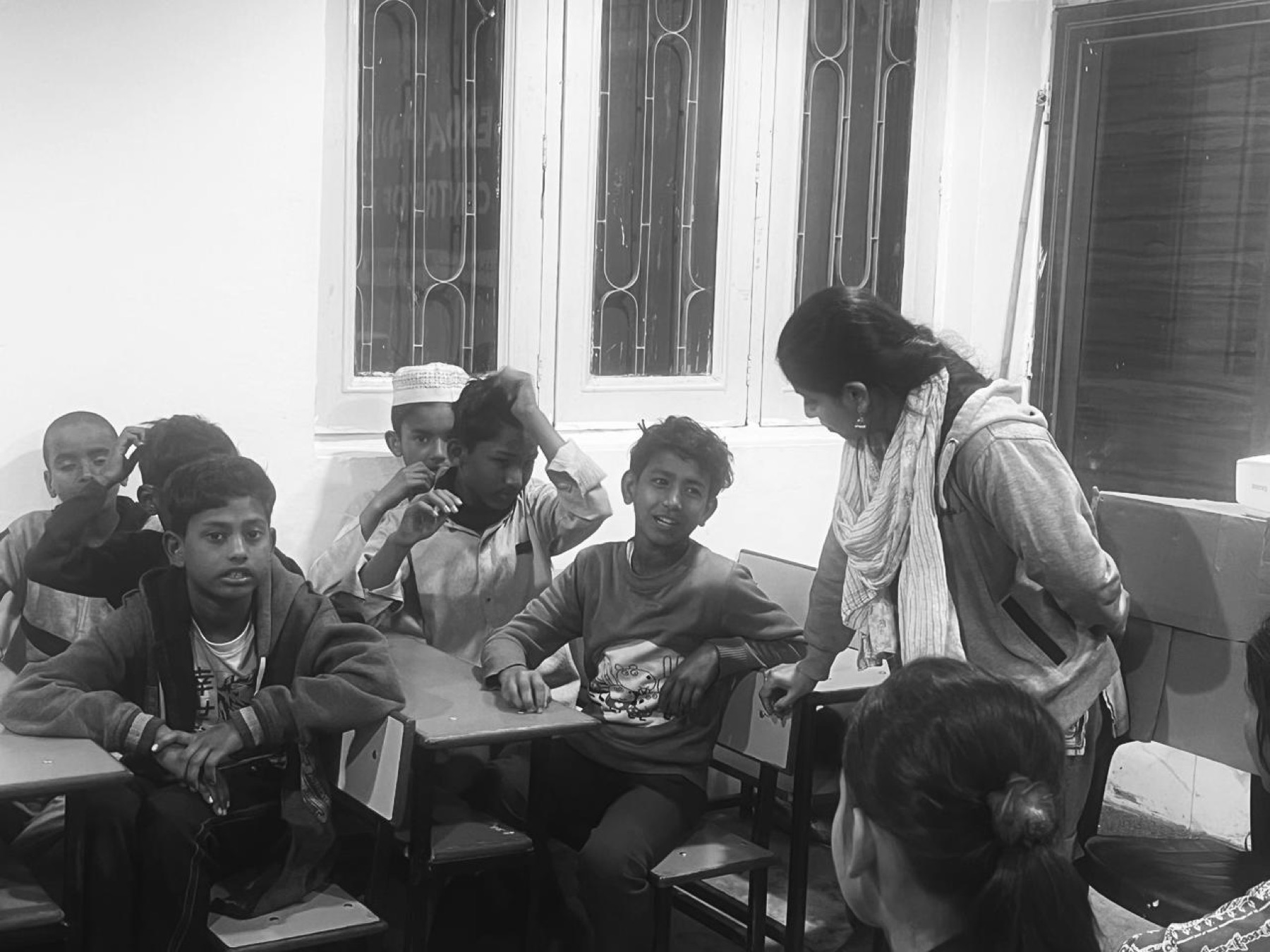
Hands-on smartphone filmmaking with the children themselves.
Basic editing workshops — from raw clips to a finished short.
Collaborative narrative exercises that anchor everything else.
If the camera reaches their hands, the story changes hands too.
We don't make films about these children. We help them make their own.
Two communities. One method.
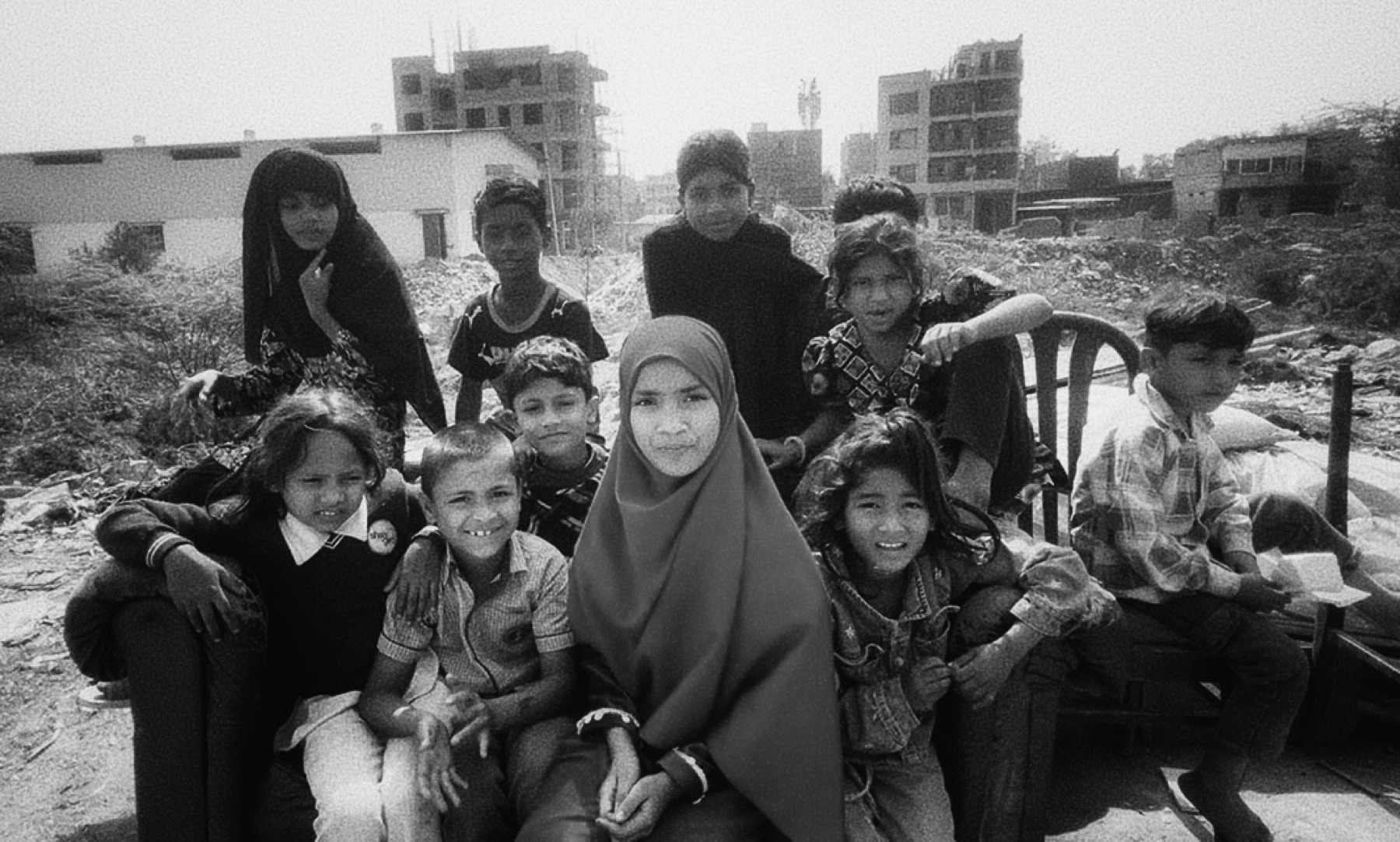
A refugee settlement on the city's edge.
We ran mobile screenings and hands-on workshops and handed the children cameras. With almost no instruction, they began documenting their own world — including the camp fires that threaten it. They made three short films, and kept shooting reels long after we left.
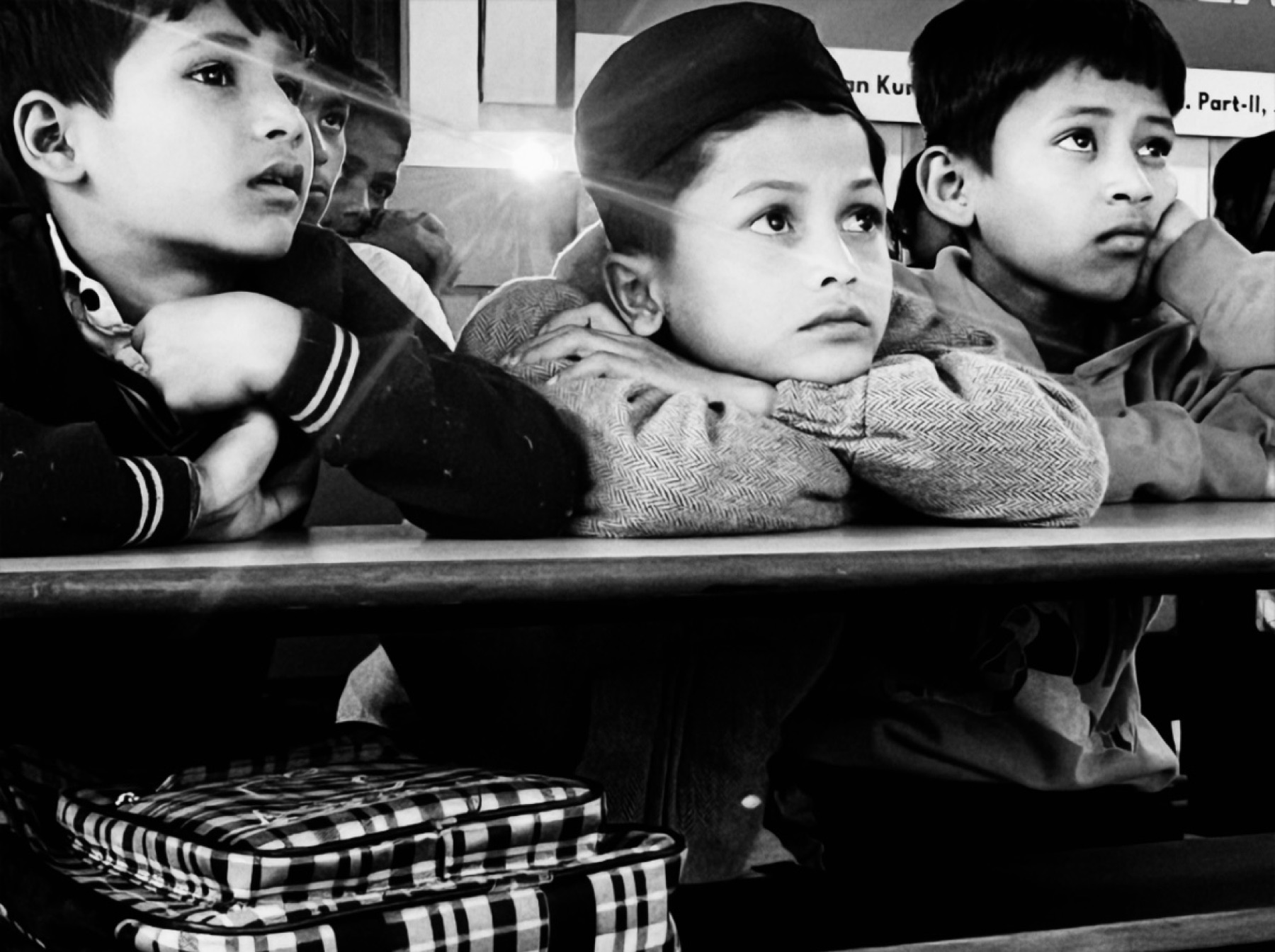
Harder ground — and one unforgettable moment.
In a village classroom, with no prompt and no vocabulary we had given them, the children began reading a film on their own — noticing who a frame places in the foreground and who it keeps in the back. No training. Cinema had already done its work.
Their films. Their hands.
Shot, performed and shaped by the kids themselves. Nothing here was made for them.
A film school in a notebook. Free to adapt. Free to run.
More ground before more scale.
Get in touch
Bring this work to your community — or help carry it further.
Partner with usFund or host a screening, a workshop, a camera in a child's hands.
We read everything. We reply slowly and honestly.